Can babies eat sliced bread?
Also known as pan de caja.
Yes. Babies can start eating sliced bread at 6 months, offered in soft strips without the crust.
- From
- 6 months
- Choking risk
- Medium
- Common allergen
- Yes
- Rich in iron
- No
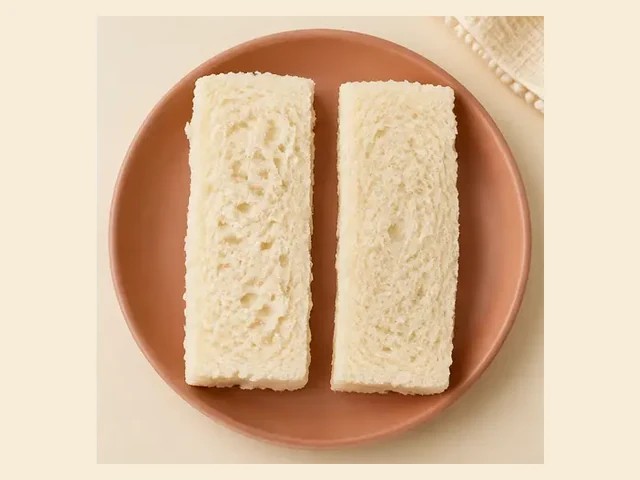
How to serve it at 6 months
- With a spoon: A soft, moistened strip without the hard crust, if your baby is ready.
Month by month, in the Firsteps app
How to cut and serve it from 6 to 12 months with photos, what it offers, tips and what to watch for.
Safety
- Soft bread can clump into a sticky ball that's hard to swallow, and hard crusts or whole seeds are also a risk, so offer crustless strips a little at a time and never bread with seeds.
- Wheat is one of the most common allergens: offer it early, at home, during the day and with no other new foods, keep it on the menu if it's tolerated, and watch for hives, swollen lips or eyelids, repeated vomiting, or coughing over the next 2 hours; call 911 if your baby has trouble breathing or looks pale or listless, and tell your pediatrician if weeks later you notice ongoing diarrhea, a swollen belly, or poor weight gain.
If your baby can’t breathe, cough or cry, call 911.
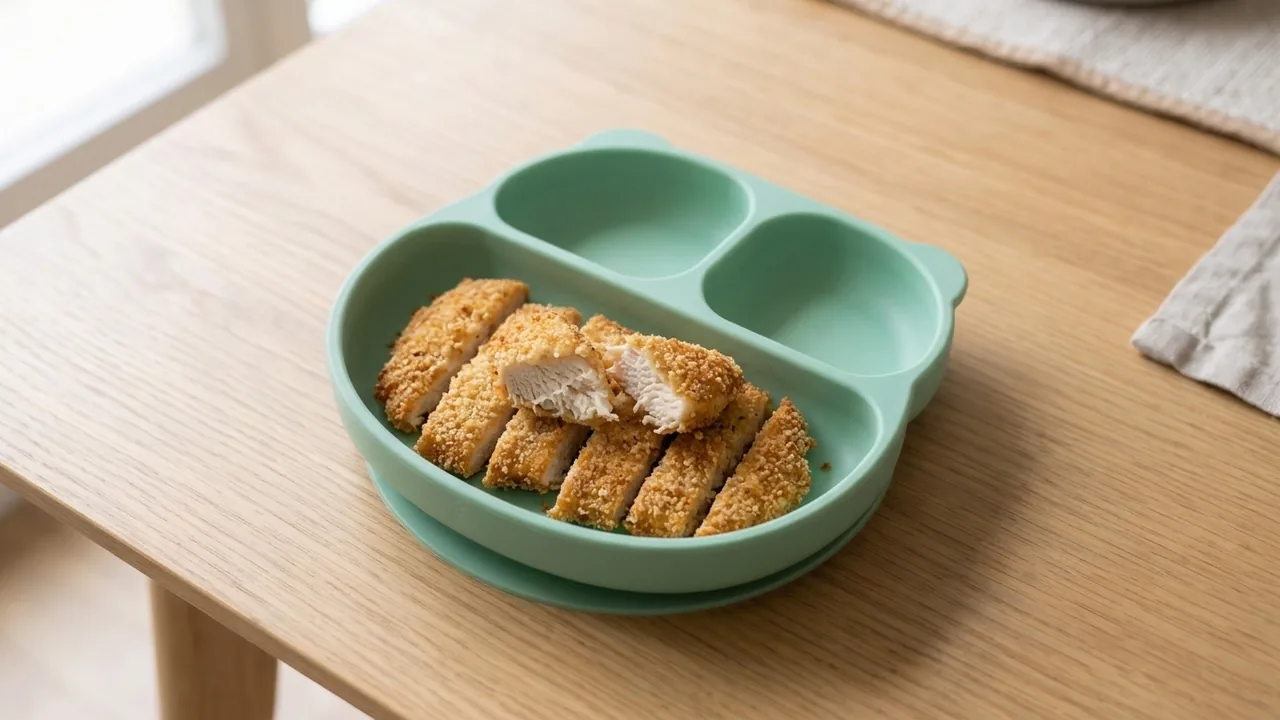
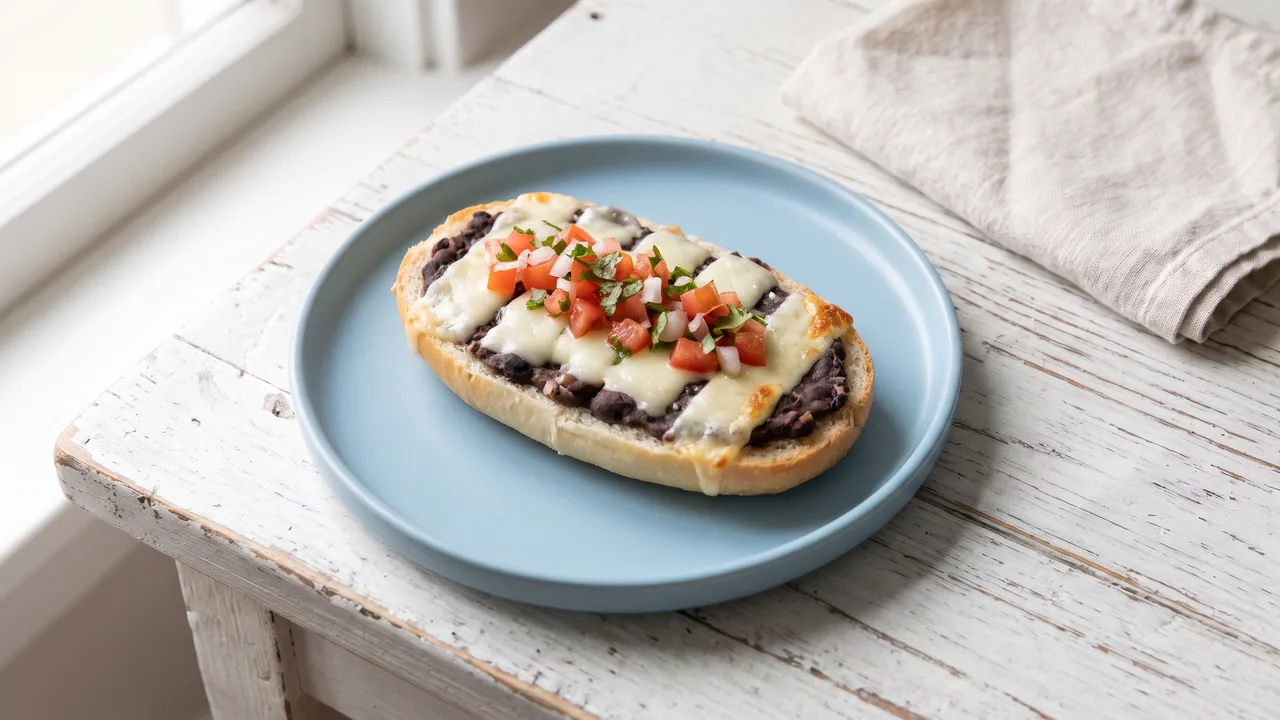
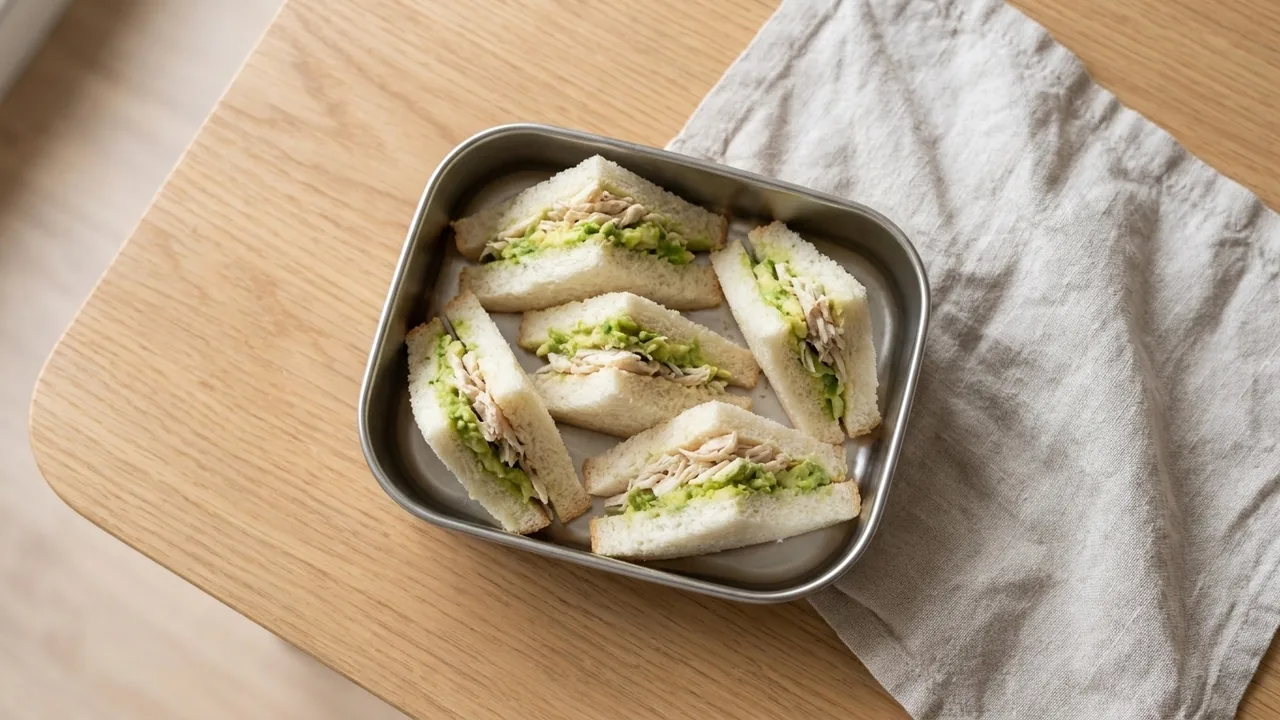
Recipes with sliced bread
Frequently asked questions
Can babies eat sliced bread?
Yes. Babies can start eating sliced bread at 6 months, offered in soft strips without the crust.
Is sliced bread a choking hazard for babies?
Soft bread can clump into a sticky ball that's hard to swallow, and hard crusts or whole seeds are also a risk, so offer crustless strips a little at a time and never bread with seeds.
Is sliced bread a common allergen?
Wheat is one of the most common allergens: offer it early, at home, during the day and with no other new foods, keep it on the menu if it's tolerated, and watch for hives, swollen lips or eyelids, repeated vomiting, or coughing over the next 2 hours; call 911 if your baby has trouble breathing or looks pale or listless, and tell your pediatrician if weeks later you notice ongoing diarrhea, a swollen belly, or poor weight gain.
More foods for babies
Help in the United States
Emergencies
If your baby isn't breathing well, won't respond or you fear for their life, call 911.
Poison Help
If they swallowed, touched or breathed in something toxic: 1‑800‑222‑1222. Free, 24/7, in more than 100 languages.
If you feel overwhelmed
National Maternal Mental Health Hotline: 1‑833‑852‑6262 (1‑833‑TLC‑MAMA), call or text. Free, confidential, 24/7.
If you're worried about their development
You don't have to wait: talk with your pediatrician and call your state's early intervention program. You don't need a doctor's referral.
WIC
Help with food, breastfeeding and nutrition for pregnant women, moms and children under 5 who meet their state’s requirements.
Firsteps is coming to the United States
Log feeds, sleep and diapers, in ounces too, and see their typical day and next nap, together with everyone who cares for them. Leave your email and we will let you know when it opens.
General information. It does not replace a visit with your pediatrician; ask them about allergies or any special instructions for your baby.